PRISM Thesis Exhibition 2026
INFRARED LANDSCAPES IN TRANSITION
ผลงานชุดนี้เริ่มต้นจากการใช้ชีวิตอยู่กับธรรมชาติผ่านช่วงเวลาที่เงียบงันภายใต้แสงแดดอันร้อนระอุ การมองเห็นค่อยๆ เกิดขึ้นจากการใช้เวลา สังเกต และรอคอยให้ภาพเผยตัวออกมา
จากการเดินผ่านภูมิทัศน์เดิมซ้ำแล้วซ้ำเล่า ทำให้ตระหนักได้ว่า ธรรมชาติไม่ได้ปรากฏเป็นเพียงฉากที่หยุดนิ่ง แต่เป็นสิ่งที่มีการเคลื่อนไหว มีจังหวะ และมีชีวิต ภาพเหล่านี้จึงไม่ได้เกิดจากเหตุการณ์พิเศษ หากเกิดจากช่วงเวลาธรรมดาที่ถูกค้นพบผ่านการสังเกตอย่างต่อเนื่อง
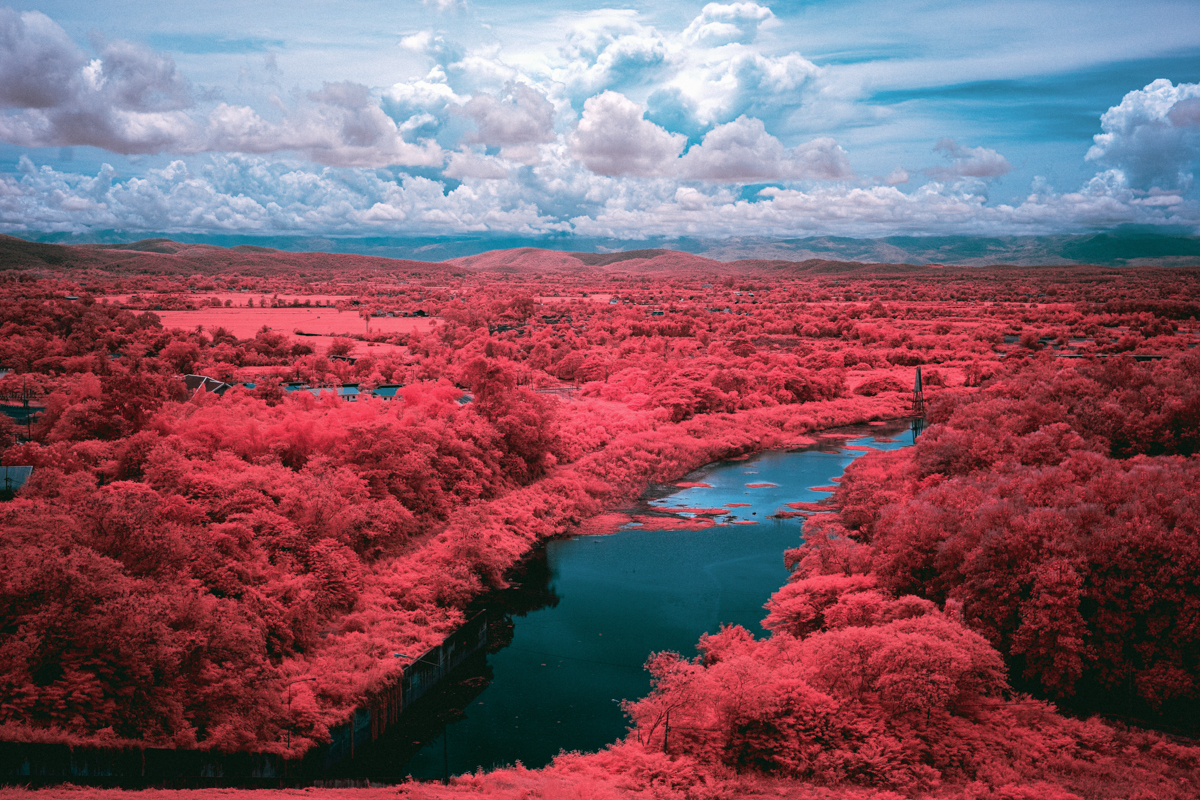
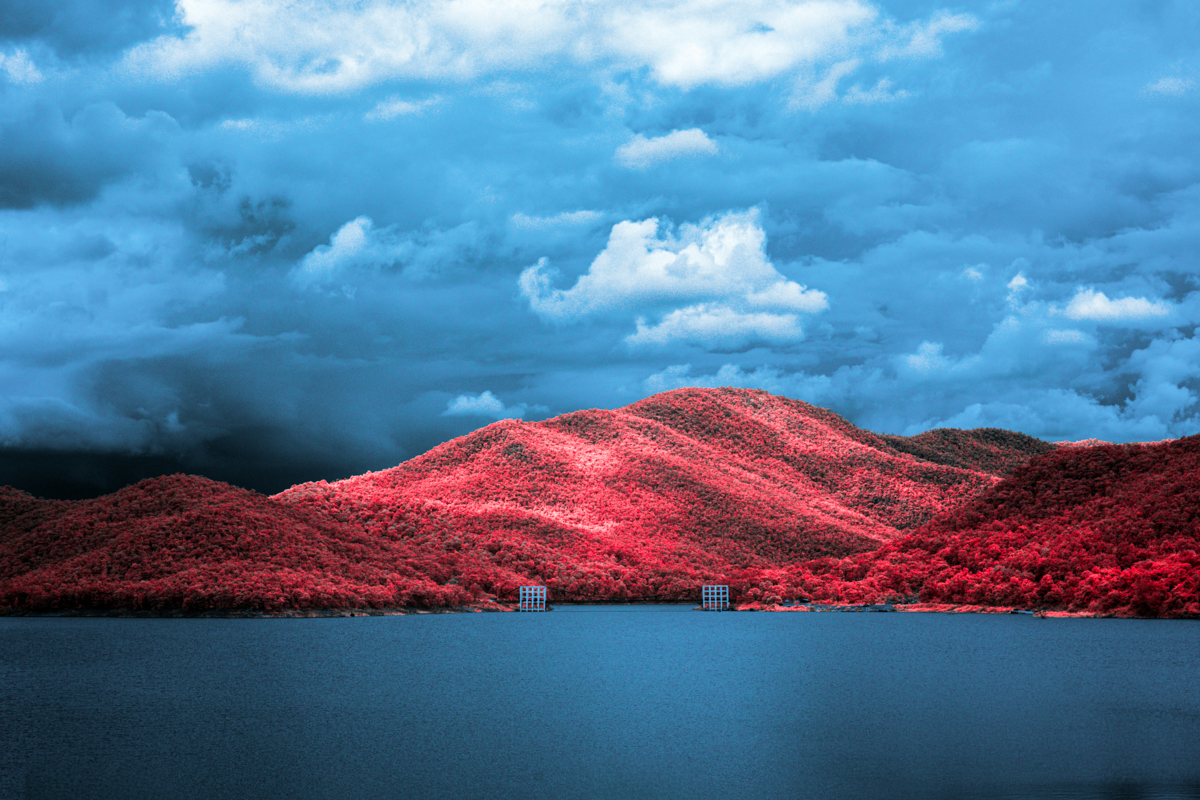
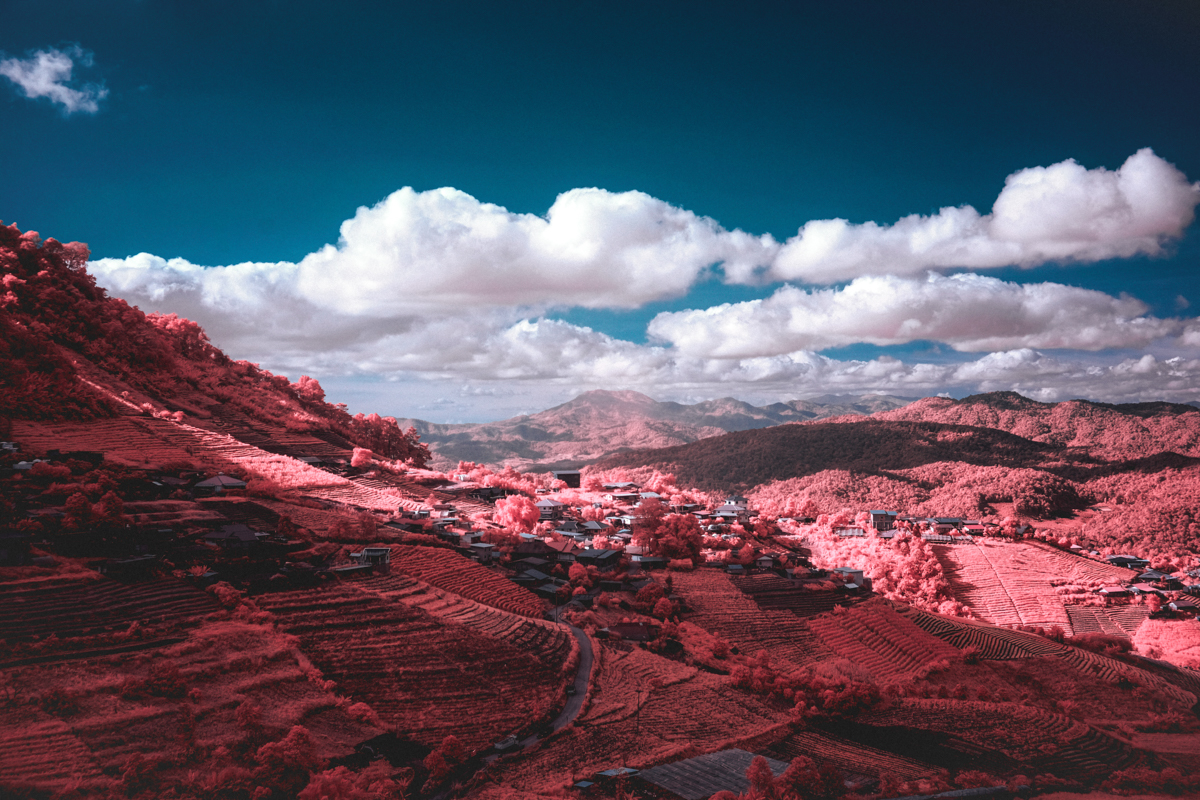
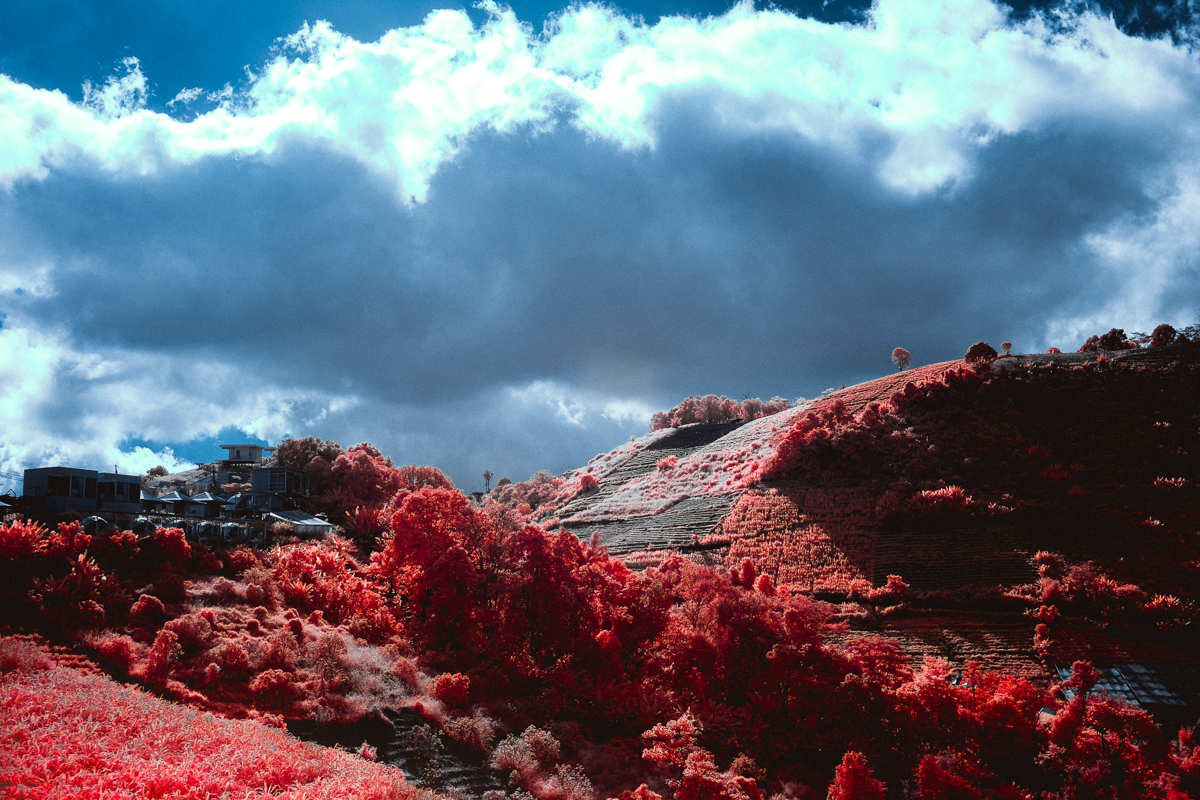
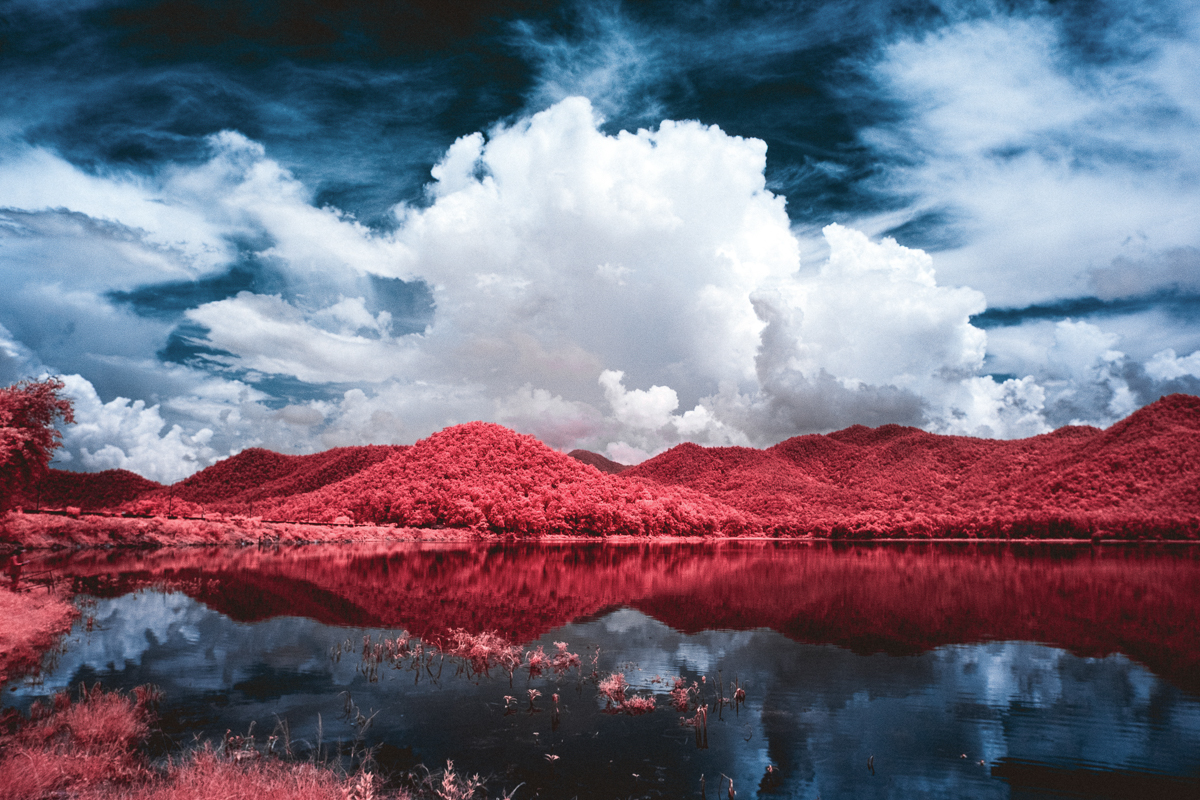
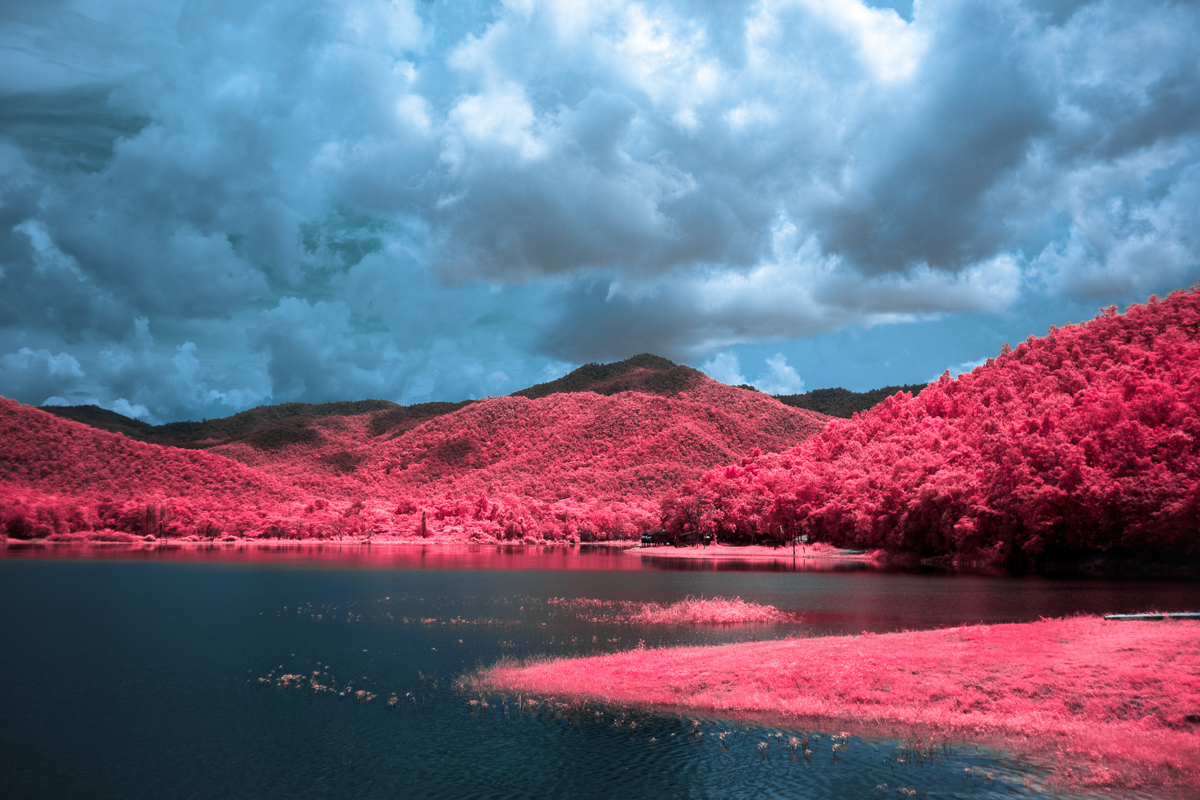
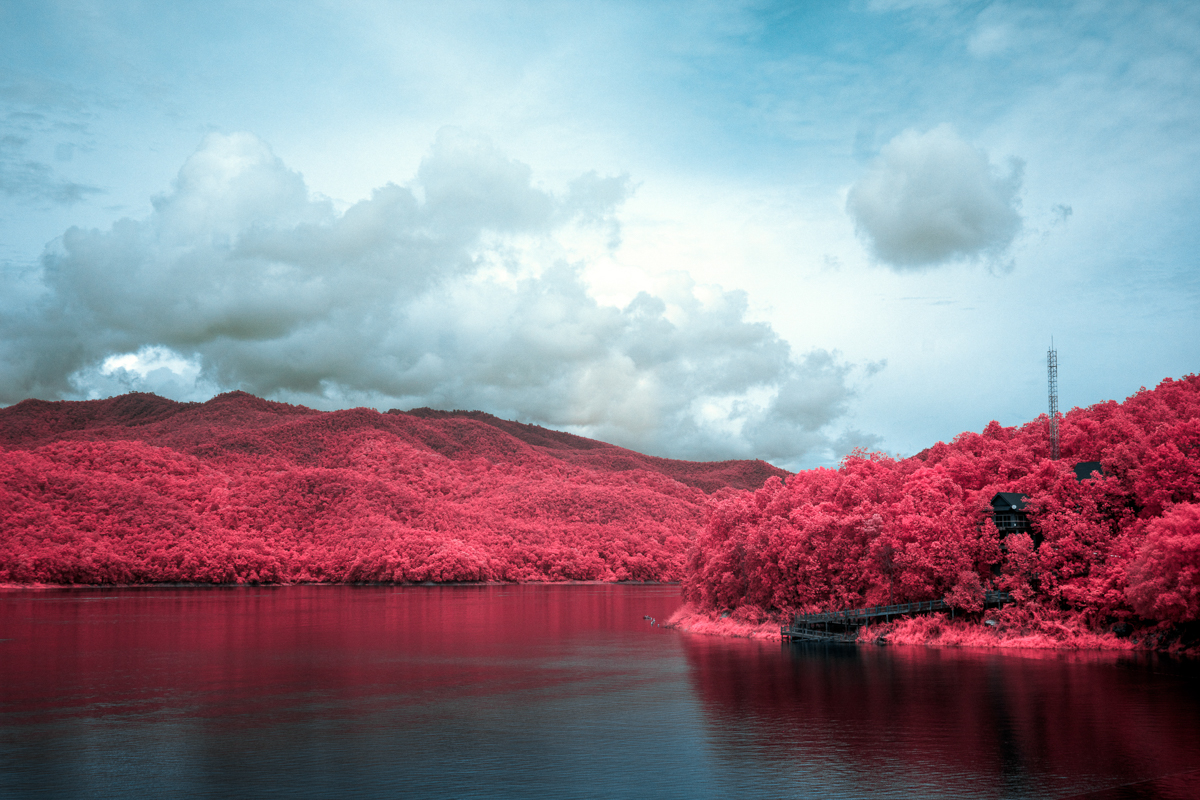
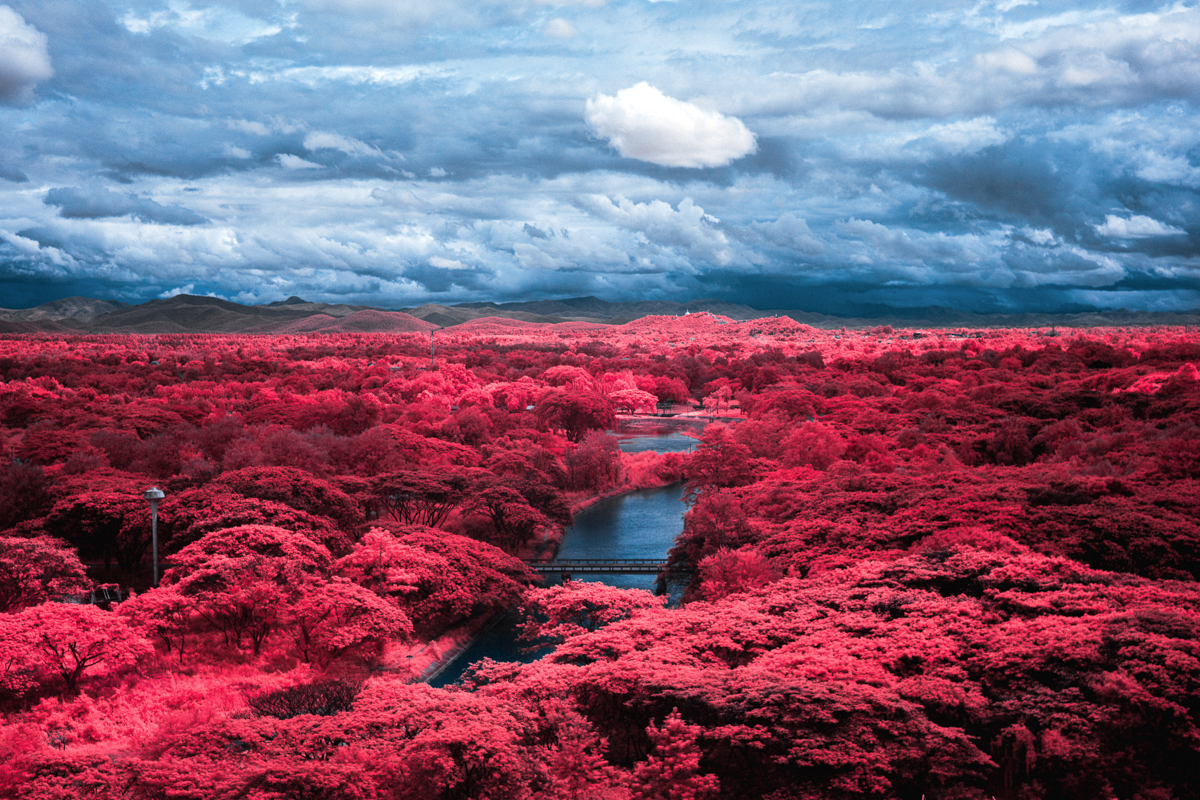
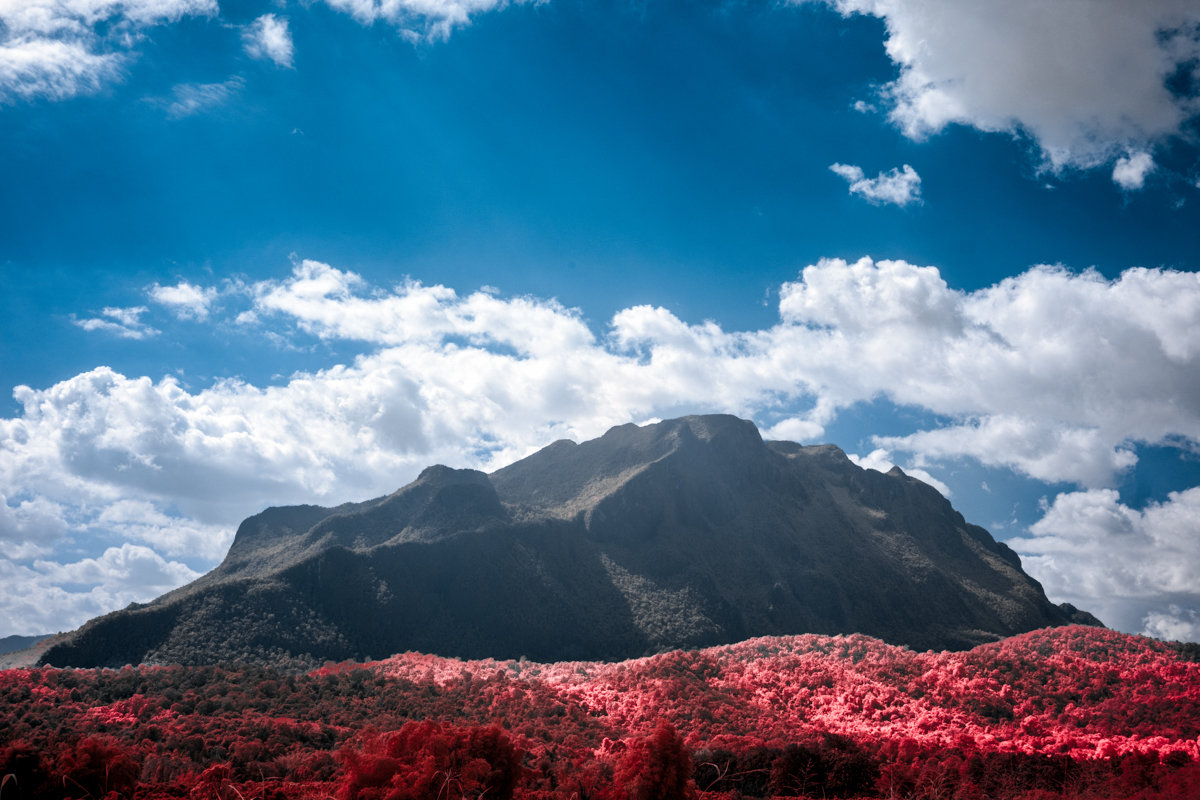
การทดลองใช้เทคนิคการถ่ายภาพแสงอินฟราเรดที่ 590 นาโนเมตร เป็นส่วนหนึ่งของกระบวนการค้นหาภาพเหล่านั้น เทคนิคนี้เผยให้เห็นมิติของแสงและพืชพรรณที่อยู่นอกเหนือการรับรู้ของสายตามนุษย์ สีแดงที่ปรากฏขึ้นในภูมิทัศน์จึงไม่ใช่สัญลักษณ์ แต่เป็นผลลัพธ์ของแสงและสภาพแวดล้อมที่ถูกแปลออกมาในอีกช่วงคลื่นหนึ่ง สีแดงทำหน้าที่เป็นองค์ประกอบ การมองเห็นที่กำาหนดจังหวะ ความเข้มข้น และความสัมพันธ์ของพื้นที่ภายในภาพ
ในงานชุดนี้ สีแดงถูกใช้ในฐานะองค์ประกอบทางการมองเห็นที่เชื่อมโยงพื้นที่และเวลาเข้าด้วยกัน ระหว่างป่าและน้ำ พื้นผิวที่ชุ่มชื้นและแห้งแล้ง ที่ราบและภูเขา แสงอินฟราเรดทำหน้าที่ขับเน้นความแตกต่างและความต่อเนื่องของภูมิทัศน์เหล่านี้ การปรากฏของสีเปลี่ยนแปลงไปตามฤดูกาล สภาวะแสง และช่วงเวลา ภาพทุกภาพจึงเกิดจากการวางแผนด้านวันเวลา พื้นที่ และจังหวะของแสง พร้อมกับการลงมือทาซ้ำอย่างต่อเนื่อง
ภาพแต่ละภาพในผลงานชุดนี้จึงเป็นบันทึกของการมอง การรอคอย และการอยู่ร่วมกับภูมิทัศน์ในช่วงเวลาหนึ่ง เป็นเรื่องราวของธรรมชาติที่ยังคงแปลเปลี่ยนไปตามกาลเวลา
This body of work emerged from an immersive experience with nature, spent in quietude beneath the intense heat of the sun. Vision developed gradually through time, careful observation, and the patience required for an image to reveal itself. By traversing the same landscapes repeatedly, I realized that nature does not appear as a static backdrop but as a living entity with its own rhythm and movement. These images are not born of extraordinary events; rather, they are captured from ordinary moments discovered through persistent observation. The experimentation with infrared photography at a 590 nm wavelength is an integral part of this discovery process. This technique unveils dimensions of light and flora that exist beyond the scope of human perception. The red hues appearing in these landscapes are not intended as symbols; they are the physical results of light and the environment translated into a different wavelength. Red serves as a visual element that dictates the rhythm, intensity, and spatial relationships within the frame. In this series, red functions as a visual anchor connecting space and time—bridging forest and water, moist and arid surfaces, and plains and mountains. Infrared light highlights both the contrasts and the continuity of these landscapes. As the presence of color shifts according to seasons, lighting conditions, and specific moments, each photograph is the result of meticulous planning regarding time, space, and the rhythm of light, coupled with a commitment to repetitive practice. Each photograph in this collection serves as a record of observation, anticipation, and coexistence with the landscape. It is a narrative of a natural world that remains in a constant state of transition through the passage of time.
This body of work emerged from an immersive experience with nature, spent in quietude beneath the intense heat of the sun. Vision developed gradually through time, careful observation, and the patience required for an image to reveal itself. By traversing the same landscapes repeatedly, I realized that nature does not appear as a static backdrop but as a living entity with its own rhythm and movement. These images are not born of extraordinary events; rather, they are captured from ordinary moments discovered through persistent observation. The experimentation with infrared photography at a 590 nm wavelength is an integral part of this discovery process. This technique unveils dimensions of light and flora that exist beyond the scope of human perception. The red hues appearing in these landscapes are not intended as symbols; they are the physical results of light and the environment translated into a different wavelength. Red serves as a visual element that dictates the rhythm, intensity, and spatial relationships within the frame. In this series, red functions as a visual anchor connecting space and time—bridging forest and water, moist and arid surfaces, and plains and mountains. Infrared light highlights both the contrasts and the continuity of these landscapes. As the presence of color shifts according to seasons, lighting conditions, and specific moments, each photograph is the result of meticulous planning regarding time, space, and the rhythm of light, coupled with a commitment to repetitive practice. Each photograph in this collection serves as a record of observation, anticipation, and coexistence with the landscape. It is a narrative of a natural world that remains in a constant state of transition through the passage of time.
กฤษณะ ทนันชัย
- Email : 2003.korrakit@gmail.com
- Facebook : Korrakit Aiyjum
- Instagram : notur.d1n
- Tel : 0835265015